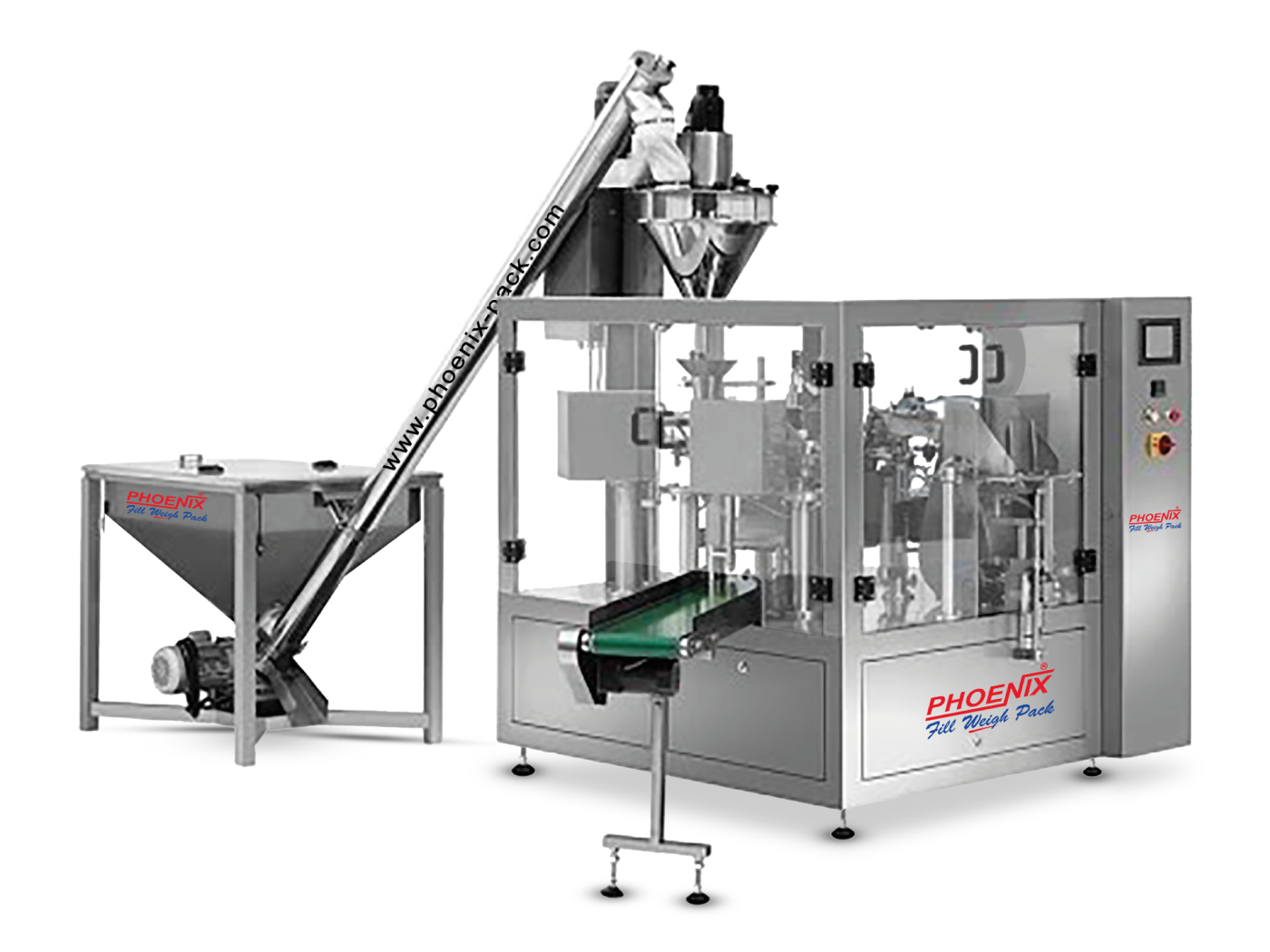

Coffee is one of the least forgiving products to package. Roasted beans start releasing CO2 the moment they leave the roaster, ground coffee loses aroma within minutes of exposure to air, and both are highly sensitive to moisture. A roastery that gets the grinding, filling, and packing equipment right keeps that freshness sealed in; one that doesn't ends up with customer complaints about stale coffee no amount of good roasting can fix.
This guide walks through what actually matters when specifying a coffee powder grinding machine, a coffee filling machine, and a coffee packing machine — and why treating them as one connected line, rather than three separate purchases, is what determines whether the final product on the shelf still tastes like what left the roaster.
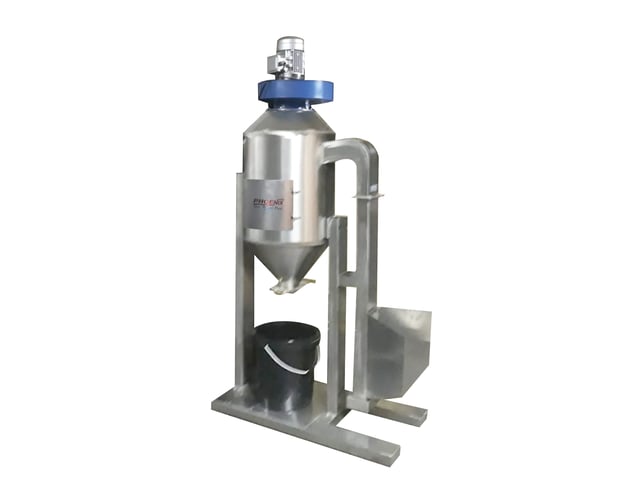
Coffee Powder Grinding Machine: Where Consistency Starts
Grind consistency is the first place packaging problems actually begin, even though it looks like a roasting-stage issue. An uneven grind — a mix of fines and larger particles — packs inconsistently by weight, which throws off every downstream filling and dosing step. It also affects degassing behavior: finer particles release CO2 faster than coarse ones, which matters a lot once the product is sealed in a bag.
What to look for in a coffee powder grinding machine for commercial or industrial output:
- Grind uniformity control — adjustable burr or blade settings that hold a consistent particle size across a full production run, not just at start-up.
- Throughput matched to your roasting volume — undersized grinders become the bottleneck in an otherwise fast packing line.
- Heat management — excessive friction heat during grinding degrades volatile aromatics; look for machines designed to minimize heat build-up at the grind chamber.
- Easy cleaning and changeover — coffee oils build up in grinding equipment quickly, and residue from one batch can taint the next if the machine isn't designed for fast strip-down.
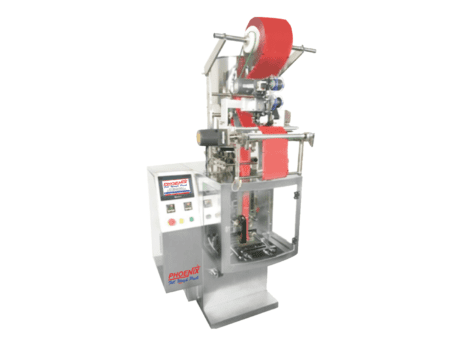
- VFFS (vertical form-fill-seal) packing — the standard for high-volume bagged coffee, forming, filling, and sealing pouches in a single continuous line. Best suited to retail-format ground or whole-bean coffee at scale.
- Stick packing — increasingly common for single-serve instant or portioned ground coffee, where individual sachet convenience matters more than bulk pack size.
- Pouch packing with valve integration — essential for specialty and whole-bean coffee sold in resealable or degassing-valve pouches, where shelf freshness is a bigger selling point than price per kilo.
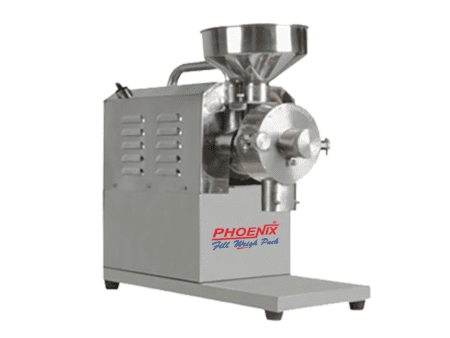
Coffee Filling Machine: Accuracy Before Aroma
Once ground or whole-bean coffee is ready, the coffee filling machine is the step that determines whether every pack hits the declared weight — and whether the product stays fresh once sealed. Two things matter more here than almost any other packaging category:
Dosing accuracy. Coffee's low bulk density and static-prone fines make it a genuinely harder product to dose accurately than most dry goods. A filling machine built for coffee (rather than a generic auger filler) accounts for this with dosing systems calibrated specifically to coffee's flow characteristics.
Degassing compatibility. Freshly roasted coffee needs to off-gas CO2 before or after sealing — most commercial coffee packs use a one-way degassing valve for exactly this reason. The filling machine and the packaging format need to be specified together, since a filler that doesn't accommodate the valve placement or a bag format without one will trap gas and cause pack swelling or seal failure.
Coffee Packing Machine: Choosing the Right Format
The coffee packing machine is where the product actually gets sealed into its final retail or bulk format, and the right format depends on the product line and channel:
The mistake worth avoiding: choosing a packing machine based on line speed alone without confirming it handles coffee's specific behavior — static cling in the filling chute, dust generation at the sealing station, and compatibility with degassing valves if the format requires one.
Why These Three Should Be Specified as One Line, Not Three Purchases
It's common for smaller roasteries to buy a grinder, filler, and packing machine separately, often from different suppliers, and then discover the throughput or format doesn't match across stages. A grinder that outpaces the filler creates a bottleneck; a filler calibrated for a different bag format than the packing machine expects causes downtime at changeover.
Specifying grinding, filling, and packing equipment as a connected coffee processing and packing line — even if installed in phases — avoids this. It also means dosing accuracy, degassing valve placement, and bag format are agreed upfront rather than reconciled after equipment is already on the floor.
A Quick Checklist Before Buying
- Does the grinder's throughput match your actual roasting volume, not just peak capacity on paper?
- Is the filling machine's dosing system calibrated for coffee specifically, or adapted from a generic dry-goods filler?
- Does your chosen pack format need a degassing valve, and does the filling/packing equipment accommodate it?
- Can the supplier show the grinder, filler, and packing machine working together as a line, not just as standalone units?
- How quickly can the equipment be cleaned and changed over between batches or roast profiles?
Getting these answers before ordering is far cheaper than retrofitting a mismatched line after installation.
About the author: This article was contributed by Phoenix Dison Tec LLC, a Sharjah-based supplier of food and beverage processing equipment, including a full range of coffee packing machines — coffee destoners, roaster loaders, grinders, and automatic filling and packing lines — for roasters and processors across the UAE and wider GCC.
